

The Beginner’s Guide to an Anti-Inflammatory Diet: Simple Tips for a Healthier You
By: Megan Barefoot
I am sure we have all felt inflammation at one time or another. Inflammation is a natural response by the body to injury or illness, the problems start when it becomes chronic. Inflammation is now known to lead to serious health issues such as heart disease, autoimmune conditions, digestive disorders and likely so much more. If you are walking around feeling “off”, unable to lose those extra pounds or unable to get your energy up no matter how much you sleep, you could be dealing with some underlying inflammation. The good news? Your diet plays a major role in reducing inflammation, and making simple, sustainable changes can have a profound impact on your overall health.
What is an Anti-Inflammatory Diet?
An anti-inflammatory diet focuses on whole, nutrient-dense foods that help fight inflammation while cutting out foods that trigger it. Unlike fad diets, this approach is a lifestyle shift that supports long-term health without feeling restrictive. Many of my clients get a little nervous when I suggest cutting out some of their favorite foods but with time we try to add so many other amazing food choices that there’s not even time to eat the old inflammatory staples. The key is to make things feel easy and natural. This is where working with a support system including a nutrition consultant can help. Let’s begin by look at the foods that might be creating the problem, then I’ll show you there are lots of amazing foods to add that can help!
Foods to Cut Out (or Reduce)
Certain foods can increase inflammation in the body, making symptoms of chronic diseases worse. Remember, life is not all or nothing. We can try eliminating things quickly, or at a pace that works for you and your lifestyle. The faster you go, the better you will feel but be kind to yourself. I am not saying you will never eat these foods on occasion, we all know “life happens” but we are aiming to make these foods sometimes foods and not everyday foods. Aim to minimize or eliminate the following:
-
Refined sugars & processed foods (sugary drinks, packaged snacks, white bread)
-
Trans fats & processed oils (vegetable oils, margarine, fried foods)
-
Highly processed meats (hot dogs, sausages, deli meats)
-
Refined carbohydrates (white pasta, pastries, crackers)
-
Excessive alcohol & sodas (alcoholic drinks, diet sodas with artificial sweeteners)
These foods have been linked to increased inflammation markers, oxidative stress, and gut dysbiosis, which can negatively impact metabolism and immune function (1).
Foods to Add for Anti-Inflammatory Benefits
We will also need to work on the mind-set. Think about how you want to feel everyday and what you might be willing to limit or give up to feel vibrant and energized everyday. Instead of focusing on restriction, shift your mindset toward abundance by including more of these nutrient-rich, anti-inflammatory foods:
1. Colorful Fruits & Vegetables
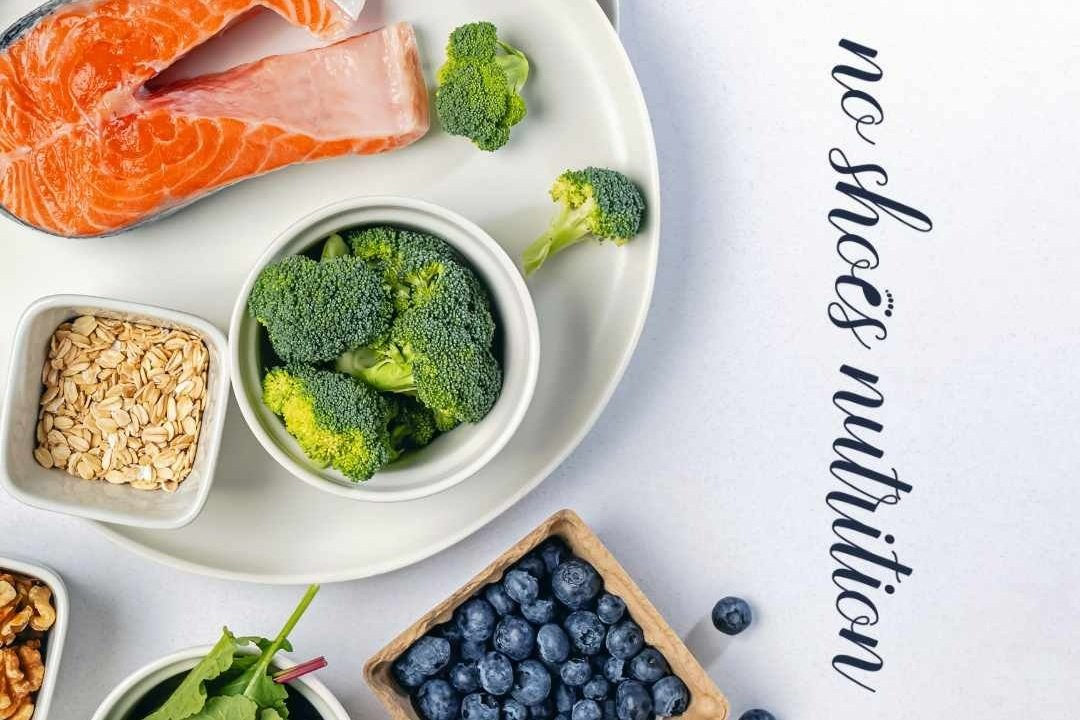
Rich in antioxidants and phytonutrients, these help neutralize free radicals and reduce inflammation. Focus on:
-
Leafy greens (spinach, kale, arugula)
-
Berries (blueberries, strawberries, raspberries)
-
Cruciferous vegetables (broccoli, cauliflower, Brussels sprouts)
-
Bell peppers, carrots, tomatoes
2. Healthy Fats
Omega-3 fatty acids and monounsaturated fats help lower inflammatory markers and support brain and heart health:
-
Wild-caught fish (salmon, sardines, mackerel)
-
Extra virgin olive oil & avocado oil
-
Nuts & seeds (walnuts, flaxseeds, chia seeds)
3. Fiber-Rich Whole Foods
Fiber supports gut health, which plays a crucial role in regulating inflammation:
-
Quinoa, buckwheat, brown rice
-
Legumes (lentils, chickpeas, black beans)
-
Fermented foods (sauerkraut, kimchi, kefir) for microbiome balance
4. Spices & Herbs
Many herbs and spices have been scientifically proven to lower inflammation:
-
Turmeric (curcumin has strong anti-inflammatory properties)
-
Ginger (aids digestion and reduces inflammation)
-
Garlic (supports immune function)
-
Cinnamon (balances blood sugar and reduces oxidative stress)
How to Make Sustainable Changes Without Feeling Restricted
I know I have said this before but I will say it again, adopting an anti-inflammatory lifestyle doesn’t mean giving up everything you love. I have helped work on lowering inflammation with many of my clients and they are often surprised that it is easier than they anticipated. It’s more delicious too! Here are some simple tips to help you transition without feeling deprived:
1. Swap, Don’t Eliminate
Instead of removing foods cold turkey, replace them with healthier alternatives:
-
Swap white bread for sourdough or sprouted grain bread
-
Replace sugary drinks with herbal tea or infused water
-
Use avocado oil instead of vegetable/seed oils
-
Choose dark chocolate (80% or higher) over milk chocolate
2. Focus on Whole Foods First
When grocery shopping, aim for 80% whole foods and 20% flexibility so you don’t feel restricted. Shop around the perimeter of the store where fresh produce, lean proteins, and whole foods are located.
3. Plan & Prep in Advance
Meal planning helps prevent last-minute unhealthy choices. Prep easy anti-inflammatory meals like:
-
Overnight oats with chia seeds, berries, and walnuts
-
Salmon with roasted vegetables
-
Smoothies with greens, avocado, and flaxseeds
4. Listen to Your Body
Not everyone responds to foods the same way. Keep a food journal to track how different foods make you feel. If you notice bloating, fatigue, or digestive discomfort after certain meals, consider adjusting your diet accordingly. After two or three weeks of not having a food I recommend testing the food and see how you feel just after one exposure. Did you react right after eating it? Did you wake up the next morning a little foggier than you have been? There are signals your body will give you to let you know what feels good and feeds you and what is holding you back.
5. Enjoy the Journey
Remember, perfection isn’t the goal—progress is. This is where consistence and practice comes into play. Start small by making one or two changes at a time and build from there. There is no right or wrong way to walk this path to health and to reduce your inflammation. You are in control of what you put in your body and you deserve to feel amazing!
The Science Behind an Anti-Inflammatory Diet
I don’t want you to think that I am just making this up! There are multiple studies support the benefits of an anti-inflammatory diet including:
-
A study in The Journal of Internal Medicine found that diets rich in whole, plant-based foods significantly lower C-reactive protein (CRP), a key inflammatory marker (2). The CRP blood marker is something you can ask your doctor to check at your annual physical. It can give you a record of how your inflammation markers are reacting to your new way of eating!
-
Research published in Nature Medicine suggests that gut microbiome diversity—supported by fiber-rich and fermented foods—plays a crucial role in reducing inflammation (3). Including pre-, pro- and postbiotic foods in your diet is extremely important for feeling your best!
-
The Mediterranean Diet, widely recognized for its anti-inflammatory benefits, has been linked to lower risks of cardiovascular disease and neurodegenerative disorders (4). This is a well known dietary protocol that again, doesn’t have to be implemented all at once. Take the parts that resonate with you and start there. As you feel better, you will likely want to continue.
Final Thoughts
You can do this! But I totally understand that starting an anti-inflammatory diet can feel overwhelming. Focus on whole, nourishing foods, make small sustainable changes, and enjoy the process. By reducing inflammation, you’ll not only support long-term health but also boost energy, improve digestion, and feel better overall.
If you’re ready to take the next step, we are here to help! Explore No Shoes Nutrition’s personalized coaching programs and get expert guidance tailored to your health needs! We offer individual personalized plans where we help you move step by step and find what works for you. We also offer group programs that will give you the support of not only a Certified Holistic Nutrition Consultant but support of a like-minded group working toward a similar goal. Reach out today for a https://noshoesnutrition.com/contact-us
Disclaimer :
This article is solely for informational purposes, any medical information contained is not a substitute for professional medical advice and readers should not rely on it as such.
If you believe there may be errors or misinformation in this article, we encourage you to contact the webmasters by messaging the provided contact information.
Your feedback is valuable, and we are committed to rectifying any inaccuracies. Please note that the content will be re-evaluated, and corrections will be made as necessary following your submission.